


Does plague still exist?
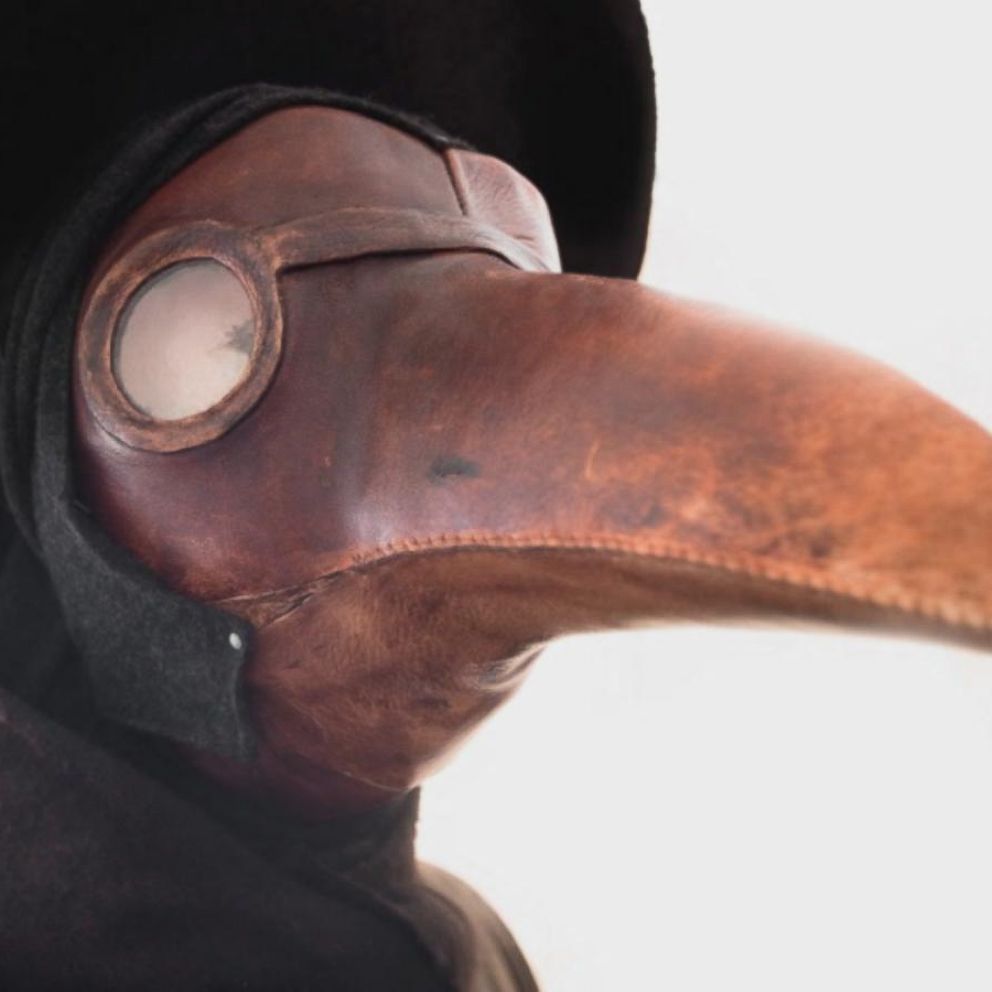
What is the plague called today
What is the plague called today Today we still use the word “plague” to mean illness caused by Yersinia pestis. Usually, we also call it by the specific type of plague it is — bubonic, septicemic or pneumonic.
How common is the plague today
Plague is a rare disease. The illness mostly occurs in only a few countries around the world. In the United States, plague affects a few people each year in rural or semirural areas of western states.
Cached
Could the Black Death happen again
No. Bubonic plague killed at least one-third of the population of Europe between 1346 and 1353. But that was before we knew it was caused by the bacterium Yersina pestis. Bubonic plague does still occasionally occur in small flare-ups of a few dozen cases, but we have antibiotics to treat it now.
Cached
When was the last case of bubonic plague
The last major outbreak in the United States occurred in Los Angeles in 1924, though the disease is still present in wild rodents and can be passed to humans that come in contact with them.
CachedSimilar
What are the 3 plagues
SymptomsBubonic plague: The incubation period of bubonic plague is usually 2 to 8 days.Septicemic plague: The incubation period of septicemic plague is poorly defined but likely occurs within days of exposure.Pneumonic plague: The incubation period of pneumonic plague is usually just 1 to 3 days.
What stopped the Black plague
The eventual weakening of the pandemic was likely due to the practice of quarantining infected people that originated in Venice in the 15th century and is with us to this day. Improved sanitation, personal hygiene, and medical practices also played a role in ultimately slowing the plague's terror march.
Are we immune to the Black Plague
Many Europeans carry genetic mutations that protected their ancestors from the bubonic plague, scientists reported on Wednesday in the journal Nature.
What stopped the Black Plague
The eventual weakening of the pandemic was likely due to the practice of quarantining infected people that originated in Venice in the 15th century and is with us to this day. Improved sanitation, personal hygiene, and medical practices also played a role in ultimately slowing the plague's terror march.
Could Black Death be cured today
Today, modern antibiotics are effective in treating plague. Without prompt treatment, the disease can cause serious illness or death. Presently, human plague infections continue to occur in rural areas in the western United States, but significantly more cases occur in parts of Africa and Asia.
Is COVID worse than the Black plague
That makes it worse in absolute terms than most influenza pandemics in history, except 1918's; worse than the seven cholera pandemics of the 19th and early 20th century; but much less bad than HIV, 1918, or the Black Death and associated bubonic plague outbreaks.
What ended the plague
The eventual weakening of the pandemic was likely due to the practice of quarantining infected people that originated in Venice in the 15th century and is with us to this day. Improved sanitation, personal hygiene, and medical practices also played a role in ultimately slowing the plague's terror march.
What is the most deadliest disease in history
1. The Black Death: Bubonic Plague. The Black Death ravaged most of Europe and the Mediterranean from 1346 until 1353. Over 50 million people died, more than 60% of Europe's entire population at the time.
What was the worst virus in history
The disease – now confirmed to be bubonic plague – reached Constantinople, capital of the Late Roman or Byzantine Empire, in 541 AD. It was soon killing 10,000 people a day. Corpses littered public spaces and were stacked like produce indoors.
Why doesn t the Black plague spread anymore
Unlike COVID-19, we have clear treatments for the bubonic plague. Additionally, the disease is rare with a few cases every year found in the United States. This means there's pretty much no chance we'd ever see a pandemic play out like the one in the 14th century.
Are we immune to the Black plague
Many Europeans carry genetic mutations that protected their ancestors from the bubonic plague, scientists reported on Wednesday in the journal Nature.
What is the deadliest virus in history
1. The Black Death: Bubonic Plague. The Black Death ravaged most of Europe and the Mediterranean from 1346 until 1353.
How did the Black plague end
The eventual weakening of the pandemic was likely due to the practice of quarantining infected people that originated in Venice in the 15th century and is with us to this day. Improved sanitation, personal hygiene, and medical practices also played a role in ultimately slowing the plague's terror march.
Is COVID worse than the Black Plague
That makes it worse in absolute terms than most influenza pandemics in history, except 1918's; worse than the seven cholera pandemics of the 19th and early 20th century; but much less bad than HIV, 1918, or the Black Death and associated bubonic plague outbreaks.
What disease killed 50 billion people
Infectious diseases with high prevalence are listed separately (sometimes in addition to their epidemics), such as malaria which may have killed 50-60 billion people throughout history, or about half of all humans that have ever lived.
What disease has the lowest survival rate
Rabies. Rabies, one of the oldest known infectious diseases, is nearly 100% fatal and continues to cause tens of thousands of human deaths globally (1).
Was COVID worse than the plague
By sheer number of casualties, Covid-19 ranks among the 10 deadliest plagues in history.
What disease kills the most humans
Cardiovascular disease is the top cause of death globally. In the map we see death rates from cardiovascular diseases across the world.
Could we survive the Black Plague today
Unlike Europe's disastrous bubonic plague epidemic, the plague is now curable in most cases. It can successfully be treated with antibiotics, and according to the CDC , treatment has lowered mortality rates to approximately 11 percent. The antibiotics work best if given within 24 hours of the first symptoms.
Can you survive bubonic plague
Plague can still be fatal despite effective antibiotics, though it is lower for bubonic plague cases than for septicemic or pneumonic plague cases.
What killed the most humans in history
Table ranking "History's Most Deadly Events": Influenza pandemic (1918-19) 20-40 million deaths; black death/plague (1348-50), 20-25 million deaths, AIDS pandemic (through 2000) 21.8 million deaths, World War II (1937-45), 15.9 million deaths, and World War I (1914-18) 9.2 million deaths.