


Did anyone survive having the Black Death?
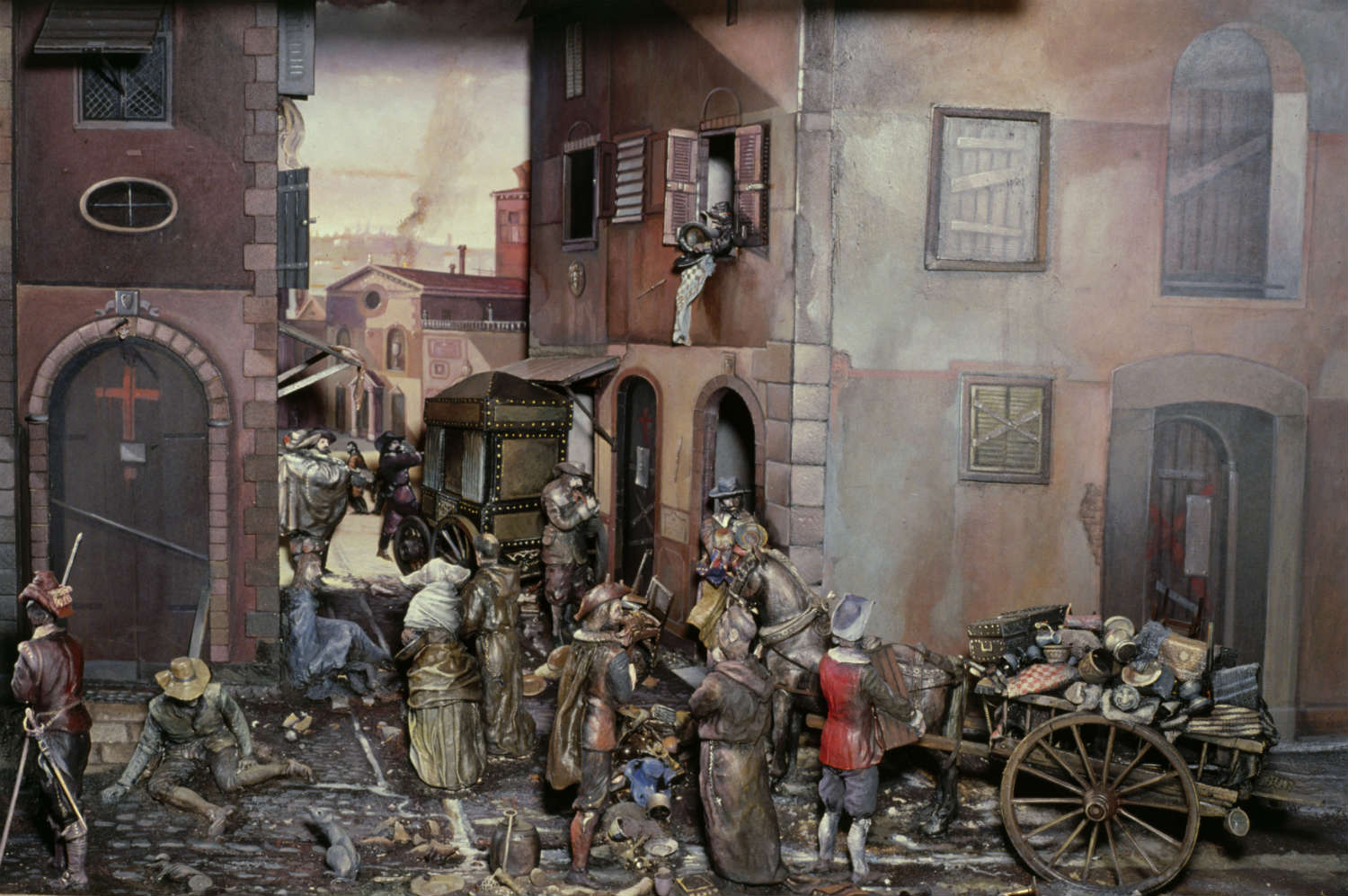
What were the chances of surviving the Black Death
Plague is a very severe disease in people, particularly in its septicaemic (systemic infection caused by circulating bacteria in bloodstream) and pneumonic forms, with a case-fatality ratio of 30% to 100% if left untreated. The pneumonic form is invariably fatal unless treated early.
Cached
Are we immune to the Black plague
Many Europeans carry genetic mutations that protected their ancestors from the bubonic plague, scientists reported on Wednesday in the journal Nature.
Could Black Death be cured today
Today, modern antibiotics are effective in treating plague. Without prompt treatment, the disease can cause serious illness or death. Presently, human plague infections continue to occur in rural areas in the western United States, but significantly more cases occur in parts of Africa and Asia.
What countries survived the Black Death
In the middle of the 14th century, the Black Death wiped out half of Europe's population. However, Poland and Milan managed to escape the worst of the pandemic and had death rates much lower than those of the other affected nations. There were various factors that helped these two nations.
Cached
What stopped the Black plague
The eventual weakening of the pandemic was likely due to the practice of quarantining infected people that originated in Venice in the 15th century and is with us to this day. Improved sanitation, personal hygiene, and medical practices also played a role in ultimately slowing the plague's terror march.
Which plague is most survivable
Bubonic plague is the most common form of plague. It's also the most survivable. With quick antibiotic treatment, you have about a 95% chance of recovering from bubonic plague. Bubonic plague makes one or more lymph nodes painful and swollen.
Why doesn t the Black plague spread anymore
Unlike COVID-19, we have clear treatments for the bubonic plague. Additionally, the disease is rare with a few cases every year found in the United States. This means there's pretty much no chance we'd ever see a pandemic play out like the one in the 14th century.
Why is plague rare now
Another reason the plague is so rare is that the bacteria doesn't survive well in sunlight. “Y. pestis is easily killed by sunlight. If the bacteria is released into air it can survive for up to1 hour depending on the environmental conditions,” Dr.
Is COVID worse than the plague
Covid-19 has devastated our world, but there are a few blessings: it very rarely strikes children, and its infection fatality rate — the percentage of those who are infected who die — is much lower than for many other famous plagues. Epidemic diseases like smallpox frequently killed 30 percent of those infected.
What is the most deadliest disease in history
1. The Black Death: Bubonic Plague. The Black Death ravaged most of Europe and the Mediterranean from 1346 until 1353. Over 50 million people died, more than 60% of Europe's entire population at the time.
What was the worst virus in history
The disease – now confirmed to be bubonic plague – reached Constantinople, capital of the Late Roman or Byzantine Empire, in 541 AD. It was soon killing 10,000 people a day. Corpses littered public spaces and were stacked like produce indoors.
Was dying of the plague painful
Within just hours an individual could be in agony from a number of these symptoms, if not all of them. The Black Plague, in all forms, is a relatively fast death, but an astonishingly painful one.
What plague was the scariest
1. The Black Death. A plague so devastating that simply saying “The Plague” will immediately pull it to the front of your mind, in the middle of the 14th century—from 1347 to 1351—the Black Death remade the landscape of Europe and the world.
How long did it take for the Black Plague to stop
Plague pandemics hit the world in three waves from the 1300s to the 1900s and killed millions of people. The first wave, called the Black Death in Europe, was from 1347 to 1351.
What is the plague called today
What is the plague called today Today we still use the word “plague” to mean illness caused by Yersinia pestis. Usually, we also call it by the specific type of plague it is — bubonic, septicemic or pneumonic.
What kills the plague bacteria
Early treatment of pneumonic plague is essential.
Streptomycin, gentamicin, the tetracyclines, and chloramphenicol are all effective against pneumonic plague. Antibiotic treatment for 7 days will protect people who have had direct, close contact with infected patients.
What is the deadliest virus in history
1. The Black Death: Bubonic Plague. The Black Death ravaged most of Europe and the Mediterranean from 1346 until 1353.
What virus killed the most people
Cholera, bubonic plague, smallpox, and influenza are some of the most brutal killers in human history. And outbreaks of these diseases across international borders, are properly defined as pandemic, especially smallpox, which throughout history, has killed between 300-500 million people in its 12,000 year existence.
What disease has the lowest survival rate
Rabies. Rabies, one of the oldest known infectious diseases, is nearly 100% fatal and continues to cause tens of thousands of human deaths globally (1).
Which disease has no cure
cancer. dementia, including Alzheimer's disease. advanced lung, heart, kidney and liver disease. stroke and other neurological diseases, including motor neurone disease and multiple sclerosis.
Was COVID worse than the plague
By sheer number of casualties, Covid-19 ranks among the 10 deadliest plagues in history.
What disease kills the most humans
Cardiovascular disease is the top cause of death globally. In the map we see death rates from cardiovascular diseases across the world.
What stopped the Black Plague
The eventual weakening of the pandemic was likely due to the practice of quarantining infected people that originated in Venice in the 15th century and is with us to this day. Improved sanitation, personal hygiene, and medical practices also played a role in ultimately slowing the plague's terror march.
Is COVID worse than the Black Plague
That makes it worse in absolute terms than most influenza pandemics in history, except 1918's; worse than the seven cholera pandemics of the 19th and early 20th century; but much less bad than HIV, 1918, or the Black Death and associated bubonic plague outbreaks.
What plague has no cure
Bubonic plague can be fatal if it's not treated. It can create infection throughout the body (septicemic plague) and / or infect your lungs (pneumonic plague.) Without treatment, septicemic plague and pneumonic plague are both fatal.