


How painful is the Black Death?
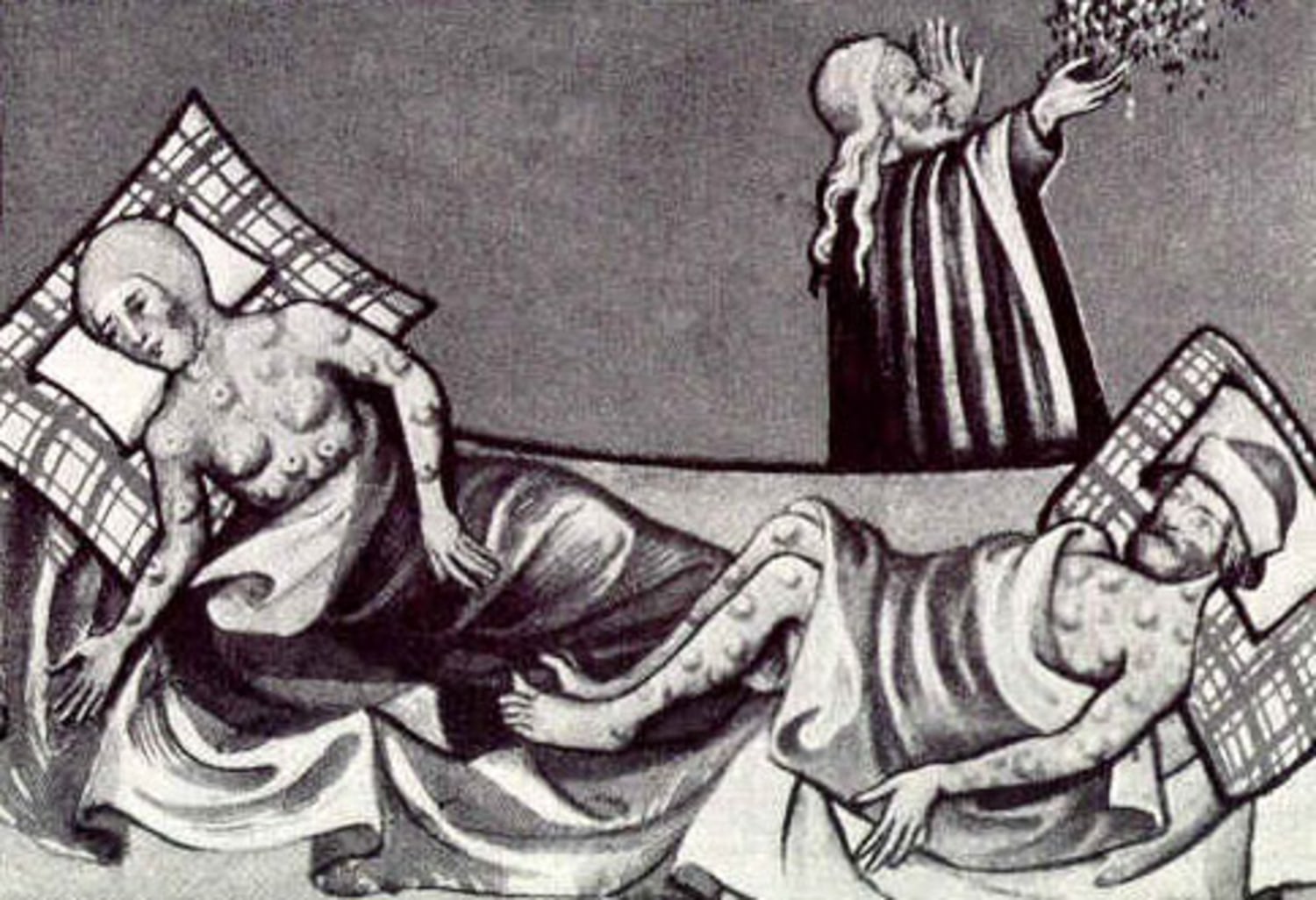
What was the most painful symptom of the Black Death
A swollen lymph node is called a bubo. The word "bubonic" is describing this feature of the disease. If a person has bubonic plague, buboes appear in the armpits, groin or neck. Buboes are tender or painful.
Cached
What would Black Death patients suffer from
Bubonic plague: Patients develop fever, headache, chills, and weakness and one or more swollen, painful lymph nodes (called buboes). This form is usually the result of an infected flea bite. The bacteria multiply in a lymph node near where the bacteria entered the human body.
What are the chances of surviving the Black Death
The estimated death rate of the Black Death is placed at upwards of 60%, meaning a person who caught the disease at the time had roughly a 40% chance of survival.
Is COVID worse than the Black Plague
That makes it worse in absolute terms than most influenza pandemics in history, except 1918's; worse than the seven cholera pandemics of the 19th and early 20th century; but much less bad than HIV, 1918, or the Black Death and associated bubonic plague outbreaks.
Who had the most painful death
10 Most BRUTAL Deaths In History10 Most Brutal Over-the-Top Deaths in History. Welcome to WatchMojo, and today we're looking at 10 of the Most Brutal, Over-the-Top Deaths in History.Julius Caesar.Giles Corey.The Brazen Bull.David Douglas.Saint Lawrence.William Wallace.György Dózsa.
Is the Black Death Curable
The bubonic plague can be treated and cured with antibiotics. If you are diagnosed with bubonic plague, you'll be hospitalized and given antibiotics. In some cases, you may be put into an isolation unit.
Were some people naturally immune to the Black Death
Many Europeans carry genetic mutations that protected their ancestors from the bubonic plague, scientists reported on Wednesday in the journal Nature.
Could Black Death be cured today
Today, modern antibiotics are effective in treating plague. Without prompt treatment, the disease can cause serious illness or death. Presently, human plague infections continue to occur in rural areas in the western United States, but significantly more cases occur in parts of Africa and Asia.
Which plague is most survivable
Bubonic plague is the most common form of plague. It's also the most survivable. With quick antibiotic treatment, you have about a 95% chance of recovering from bubonic plague. Bubonic plague makes one or more lymph nodes painful and swollen.
What is the deadliest virus in history
1. The Black Death: Bubonic Plague. The Black Death ravaged most of Europe and the Mediterranean from 1346 until 1353.
Is Black Death still around
Bubonic plague still occurs throughout the world and in the U.S., with cases in Africa, Asia, South America and the western areas of North America.
What is the world’s worst pain
These are the worst pains humans can experience: From kidney stones to cracked ribsAppendicitis.Trigeminal neuralgia.Acute pancreatitis.Gout.Endometriosis.Stomach ulcer.Fibromyalgia.Pain after surgery.
What is the most painful thing in the world physically
Trigeminal neuralgia or tic douloureux is a chronic pain condition that affects the trigeminal or fifth cranial nerve. It is one of the most painful conditions known.
Can you be immune to Black Death
One mutation, which occurred in a gene called ERAP2, gave people a 40% advantage of survival against the plague. That's the biggest evolutionary advantage ever recorded in humans, Enard says.
Has anyone ever survived the Black Death
Black Death survivors gave descendants a genetic advantage — but with a cost A study shows that survivors of the bubonic plague, which lasted from 1346 to 1353, may have passed on the ability to survive other pandemics. (Aired on All Things Considered on Oct. 19. 2022.)
Can Black Death happen again
No. Bubonic plague killed at least one-third of the population of Europe between 1346 and 1353. But that was before we knew it was caused by the bacterium Yersina pestis. Bubonic plague does still occasionally occur in small flare-ups of a few dozen cases, but we have antibiotics to treat it now.
What blood type was the Black Death
For instance, the Black Death primarily infected Blood Type O's, but not every type O was infected.
Will the plague ever return
No. Bubonic plague killed at least one-third of the population of Europe between 1346 and 1353. But that was before we knew it was caused by the bacterium Yersina pestis. Bubonic plague does still occasionally occur in small flare-ups of a few dozen cases, but we have antibiotics to treat it now.
What plague was the scariest
1. The Black Death. A plague so devastating that simply saying “The Plague” will immediately pull it to the front of your mind, in the middle of the 14th century—from 1347 to 1351—the Black Death remade the landscape of Europe and the world.
What plague has no cure
Bubonic plague can be fatal if it's not treated. It can create infection throughout the body (septicemic plague) and / or infect your lungs (pneumonic plague.) Without treatment, septicemic plague and pneumonic plague are both fatal.
What disease kills the fastest
The world's fastest killer is ischaemic heart disease, responsible for 16% of the world's total deaths.Cerebrovascular diseases such as stroke are also extremely fatal within minutes of their onset.
Which disease has no cure
cancer. dementia, including Alzheimer's disease. advanced lung, heart, kidney and liver disease. stroke and other neurological diseases, including motor neurone disease and multiple sclerosis.
Is Black Death treatable today
It was known as the "Black Death" during the fourteenth century, causing more than 50 million deaths in Europe. Nowadays, plague is easily treated with antibiotics and the use of standard precautions to prevent acquiring infection.
Are we immune to the Black plague
Many Europeans carry genetic mutations that protected their ancestors from the bubonic plague, scientists reported on Wednesday in the journal Nature.
What hurts worse than giving birth
The aftermath of the root canal can affect your daily activities for a couple of days, make it difficult to eat, and require pain medication. Women who have needed root canal say it is worse than childbirth.