


Which ramen is healthiest?
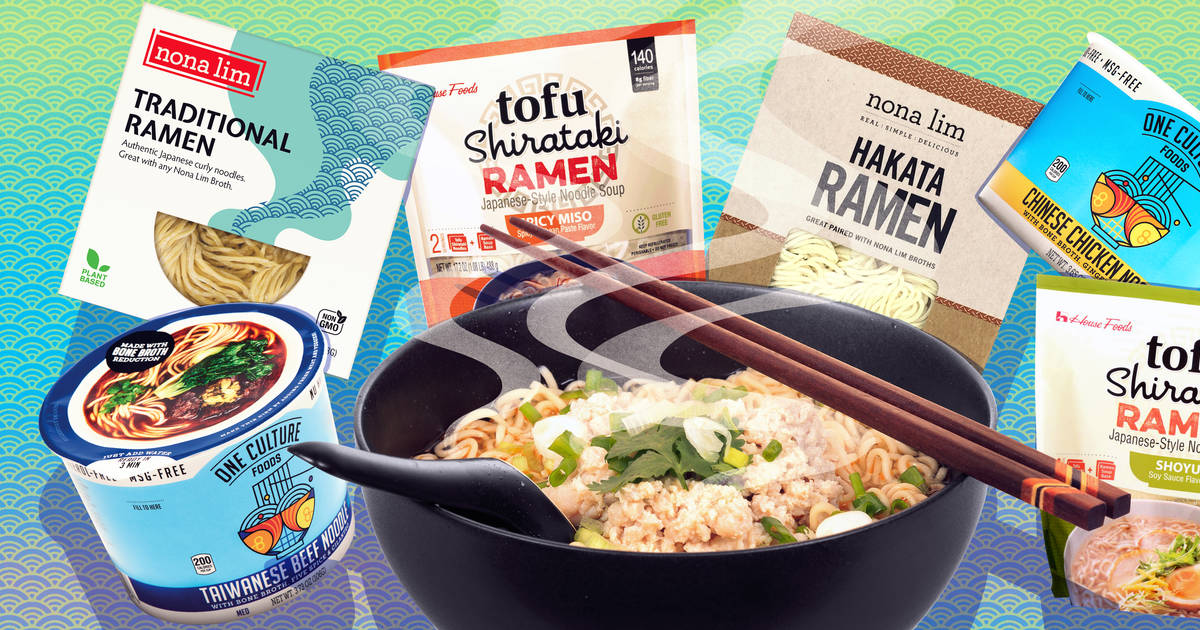
What’s the healthiest ramen noodles
Shirataki noodles are made using konjac starch – a Japanese root vegetable. They are thicker in consistency and even transparent. Shirataki noodles are insanely low on calories and rich in fibre. Plus, they are low in carbs, making them a healthy substitute for Ramen noodles.
Is there a healthier instant ramen
Choose low-sodium versions: Instant ramen noodles are available in low-sodium options, which can cut the salt content of the dish drastically. Ditch the flavor packet: Create your own broth by mixing low-sodium chicken stock with fresh herbs and spices for a healthier, lower-sodium version of ramen noodles.
Is ramen from a restaurant healthy
Ramen is not typically considered a "healthy cuisine" in Japanese restaurants for several reasons, including the quantity of white flour-based noodles it includes per serving, making it extremely starchy and detrimental to blood sugar control.
Which ramen is better Japanese or Korean
Japanese ramen is more subtle in flavour compared to that of Korean ramyun as it has a stronger taste, and is generally spicy. Another difference between the two is that Japanese ramen's broth is made from chicken, seafood, or pork stock whereas Korean ramyun's soup is made from a processed seasoning.
What is the most unhealthy part of ramen
The culprit is the highly processed ingredients like saturated fat and high sodium. They contribute to high blood sugar, high blood pressure, heart disease, stroke, and diabetes.
Is tonkotsu ramen healthy
The word tonkotsu means 'pork bone' and it points to the broth that's made by boiling pork bones along with some herbs for a long time to get a creamy, milky white soup. This makes for a super filling meal that's also super healthy and great for when you're craving a heavier meal.
Are Japanese instant noodles healthy
A vast majority of instant noodles are low in calories, but are also low in fibre and protein. They are also notorious for being high in fat, carbohydrates, and sodium. While you will be able to get some micronutrients from instant noodles, they lack important nutrients like vitamin A, vitamin C, vitamin B12, and more.
Is Japanese instant ramen healthy
Ramen noodles are not inherently healthy or unhealthy, but they provide limited nutritional value on their own. They contain carbohydrates, fats, protein and some micronutrients like B vitamins and iron. "Objectively speaking, instant ramen noodles may not be the most nutritious option out there.
Is ramen considered junk food in Japan
Compared to the rather light, rice-based meals common in Japanese cuisine, ramen is filled with oil, salt, and the fattiest possible cuts of meat to add flavor. For a hungry young person, this is often welcome on occasion, but it's clearly quite unhealthy.
Why is ramen so good in Japan
It was convenient, affordable, hot, and delicious. The dish was made relatively quickly and consumed even quicker. Additionally, compared to traditional Japanese soba noodles that were made without meat, the meat in ramen made it hearty and filling.
Is ramen in Korea unhealthy
Korean instant noodles are no different to most processed food items. Nutritionists and experts alike viewed them generally unhealthy.
Is all ramen unhealthy
Ramen is not inherently unhealthy, but the flavor packet provided in instant ramen does contain high amounts of sodium. Diets high in sodium are associated with an increased risk of developing high blood pressure, a leading cause of stroke and heart disease, according to the Centers for Disease Control and Prevention.
Is Shoyu or miso ramen better
Shio or Shoyu flavored soups merely accent the flavor of the underlying broth, while miso leaves a fuller complex taste in the mouth since it also has a strong taste of its own.
What are the healthiest noodles in Japan
Soba noodles originate from Japan and are considered to be far healthier than other Asian varieties like Udon noodles ( although our Neds Udon noodles are 95% fat free). Soba noodles are usually made from buckwheat which offers a number of health benefits.
What is the unhealthiest part of instant ramen
The culprit is the highly processed ingredients like saturated fat and high sodium. They contribute to high blood sugar, high blood pressure, heart disease, stroke, and diabetes.
Is it OK to eat instant ramen everyday
The Bottom Line. In moderation, including instant noodles in your diet likely won't come with any negative health effects. However, they are low in nutrients, so don't use them as a staple in your diet. What's more, frequent consumption is linked to poor diet quality and an increased risk of metabolic syndrome.
What makes ramen unhealthy
The culprit is the highly processed ingredients like saturated fat and high sodium. They contribute to high blood sugar, high blood pressure, heart disease, stroke, and diabetes. Heart disease includes the risk of heart failure.
Can you eat Japanese ramen everyday
You'd also be surprised at the bounty of ramen options out there—dry and wet, spicy and mild, and even some that include meat. Regardless, it's definitely not something I would recommend on a daily basis; doing so long-term is said to incite high blood pressure and a higher chance of getting diabetes and heart disease.
What is the most unhealthy Korean food
There are also foods to be avoided completely if you are on a healthy eating diet.These are foods that you should avoid eating too often:Korean fried chicken.Samgyeopsal.Jajangmyeon.Pickled, salted seafood and vegetables.Processed deli meats.
Why do Koreans eat ramen so much
And its popularity in Korean culture is not at all surprising. Not only is ramyeon convenient and affordable, but it is packed with flavours, making it one of the go-to meals for many working-class adults. There are even statistics to back up the Korean's love for ramyeon.
How often is it OK to eat ramen
While instant ramen is not bad for you, it isn't recommended as a single food daily or multiple times per day on its own due to its high-sodium flavoring packet or broth. Adding additional toppings, such as protein and vegetables, to the wheat noodle and broth base can increase its nutrition profile.
Is shoyu or tonkotsu ramen healthier
Why does shoyu ramen have less calories. Shoyu ramen benefits from a clear broth that has less fat in the broth. That means it's thinner, lighter, and lower in calories. The seasoning sauce that goes in shoyu ramen is also low calorie because most of its flavor comes from soy sauce.
Is ramen with miso healthy
Miso can be one of the healthiest types of ramen as it contains less fat and salt. If you want to make your miso even healthier you can skip the pork and focus your dish on fresh veggies and tofu instead or opt for chicken. Miso ramen can be flavored with chicken and pork broth and topped with chashu.
What is the unhealthiest part of ramen noodles
The culprit is the highly processed ingredients like saturated fat and high sodium. They contribute to high blood sugar, high blood pressure, heart disease, stroke, and diabetes.
What are the best Japanese noodles for weight loss
Japanese soba noodles are often produced from whole-grain buckwheat flour and have a nutty flavor. Buckwheat is a terrific food for people who want to reduce weight and build lean muscle mass because it is full of the deliciousness of healthy plant-based protein.