


Is it OK to eat ramen every day?
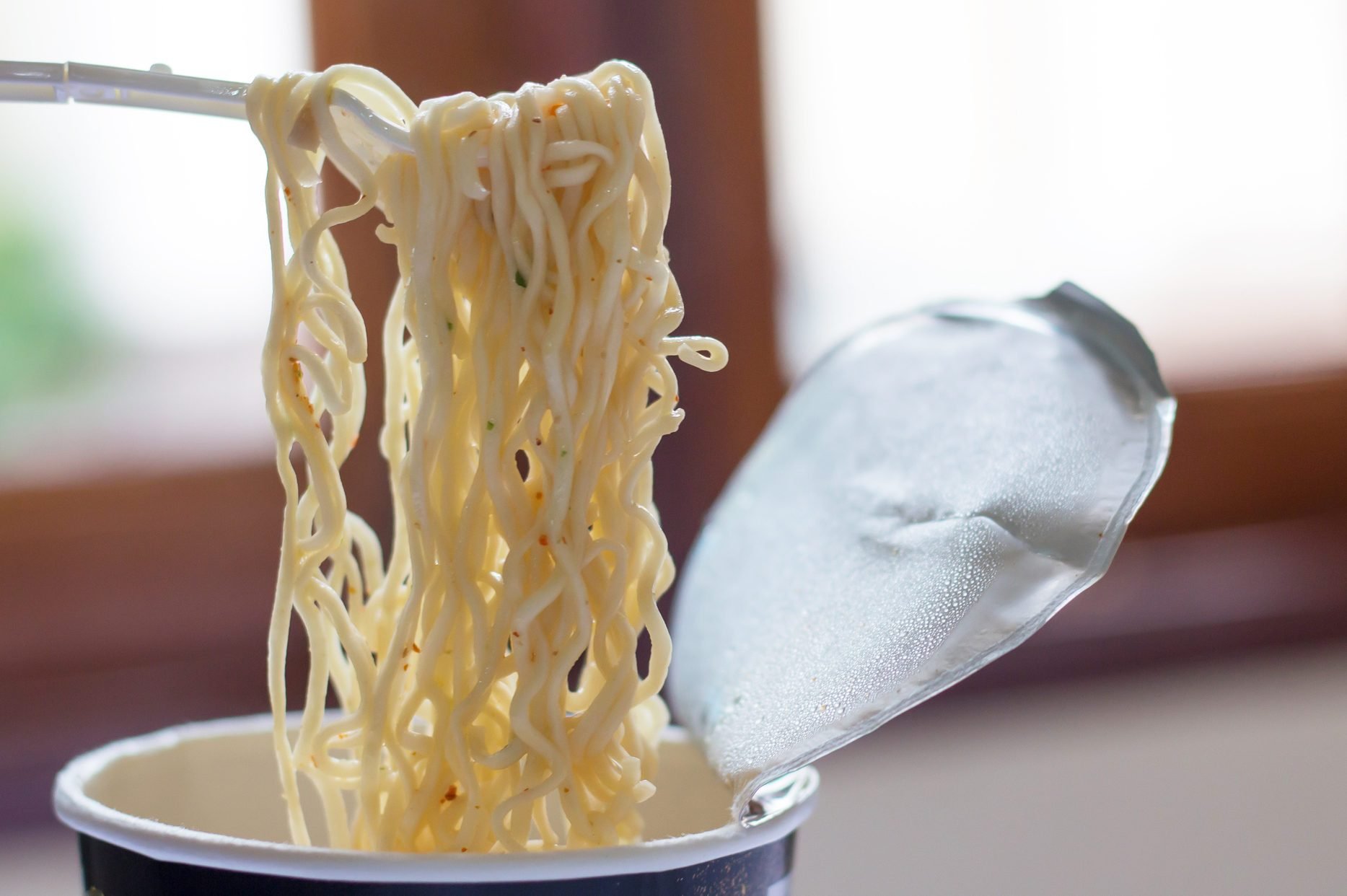
Is it safe to eat ramen everyday
Ramen can increase your risk of heart failure.
Because ramen noodles contain 1,820 milligrams of sodium, almost two-thirds the daily FDA-recommended consumption, they can significantly increase your combined salt intake for the day without you even realizing. The more you eat, the higher your risk.
How often is too often to eat ramen
The ones who eat instant noodles over two times a week, are 68% more at risk to develop metabolic syndrome. This is regardless of how many other healthy dishes they eat or if they have a high level of physical activity. The culprit is the highly processed ingredients like saturated fat and high sodium.
Is it OK to eat ramen 5 times a week
“It would be better to eat food that isn't processed, no matter what you're choosing,” Gulati said. She said ramen should be eaten once a week at most — and that even if a student does eat it, they should eat it in smaller portions and balance out their meals with other nutritional options.
Do Korean eat ramen everyday
How often do Koreans eat ramyun Very often. 8 out of 10 Koreans eat ramyun 1-3 times a week. It's probably because Koreans have a busy and rough life, and ramyun is easy to cook and very cheap.
Do Japanese eat ramen everyday
Many Japanese – especially men, from high school and university students to busy salarymen – certainly eat ramen quite often. According to some source, In Japan there are over 32,000 ramen restaurants that JUST serve ramen, and there are another 200,000 that offer ramen as a part of their menu.
Is Japanese ramen good for you
Is Japanese Ramen Healthy Ramen is not typically considered a "healthy cuisine" in Japanese restaurants for several reasons, including the quantity of white flour-based noodles it includes per serving, making it extremely starchy and detrimental to blood sugar control.
Is Japanese ramen unhealthy
Is Japanese Ramen Healthy Ramen is not typically considered a "healthy cuisine" in Japanese restaurants for several reasons, including the quantity of white flour-based noodles it includes per serving, making it extremely starchy and detrimental to blood sugar control.
Is ramen a junk food
Though instant ramen noodles provide iron, B vitamins and manganese, they lack fiber, protein and other crucial vitamins and minerals. Additionally, their MSG, TBHQ and high sodium contents may negatively affect health, such as by increasing your risk of heart disease, stomach cancer and metabolic syndrome.
Why do Koreans eat ramen so much
And its popularity in Korean culture is not at all surprising. Not only is ramyeon convenient and affordable, but it is packed with flavours, making it one of the go-to meals for many working-class adults. There are even statistics to back up the Korean's love for ramyeon.
Is ramen unhealthy in Japan
Is Japanese Ramen Healthy Ramen is not typically considered a "healthy cuisine" in Japanese restaurants for several reasons, including the quantity of white flour-based noodles it includes per serving, making it extremely starchy and detrimental to blood sugar control.
Is ramen considered junk food
Though instant ramen noodles provide iron, B vitamins and manganese, they lack fiber, protein and other crucial vitamins and minerals. Additionally, their MSG, TBHQ and high sodium contents may negatively affect health, such as by increasing your risk of heart disease, stomach cancer and metabolic syndrome.
Is Japanese ramen healthy
Ramen noodles are not inherently healthy or unhealthy, but they provide limited nutritional value on their own. They contain carbohydrates, fats, protein and some micronutrients like B vitamins and iron. "Objectively speaking, instant ramen noodles may not be the most nutritious option out there.
How unhealthy is Korean ramen
Ramen noodles are a high-sodium food. Consuming too much sodium can negatively impact your health and has been linked to an increased risk of heart disease, stomach cancer and stroke.
Is Japanese ramen better than Korean
Remember, Japanese ramen has a more subtle, umami flavor, while ramyeon is a type of curly noodle soup that is popular in Korea and is a lot spicier than its Japanese counterpart. Both ramen and ramyeon are both incredibly delicious.
What is the healthiest food in Japan
The Top 10 Healthy Japanese Foods You Need To Eat NowTofu. Tofu is packed with protein and low in calories, so it's the perfect substitute for meat if you're vegetarian or want to reduce your intake.Seaweed. Japan is famous for its love of seaweed.Natto.Miso.Oily Fish.Sashimi.Soba.Rice.
Why is ramen in Japan so good
The noodles in ramen are particularly unique because they are made from wheat flour, water, salt, and kansui, which is baking-soda flavored water. The kansui is what makes ramen noodles unique. It gives the noodles it's slick texture and distinct yellow color.
What is the unhealthiest food in Japan
Ramen is a nation dish and everyone loves it in Japan, but unfortunately it's not generally healthy. Ramen dish contains a large amount of carbs, sodium and fat, and the most popular Ramen flavour, Tonkotsu (creamy pork broth) holds the worst amount of them.
Why do the Japanese eat so healthy
Japanese foods are healthy because of their cooking methods, e.g., boiling, steaming, grilling, broiling, stir-frying, and fermenting. They eat rice and noodles instead of bread made of refined flour. Japanese fermented foods are rich in soy proteins, which regulate hormonal balance and promote a healthy lifestyle.
Is Japanese instant ramen healthy
Ramen noodles are not inherently healthy or unhealthy, but they provide limited nutritional value on their own. They contain carbohydrates, fats, protein and some micronutrients like B vitamins and iron. "Objectively speaking, instant ramen noodles may not be the most nutritious option out there.
What is the 1 most unhealthy food in the world
Here are top 10 unhealthy foods that extremely harmful for your health:Sugar. How many times have you been advised to cut down on sugarSoft drinks. Carbonated soft drinks are one of the biggest sources of added sugar and caffeine in the diet.Refined carbohydrates.Alcohol.Potato crisps.Margarine.Canned soups.Doughnuts.
What is the healthiest Japanese food
The Top 10 Healthy Japanese Foods You Need To Eat NowTofu. Tofu is packed with protein and low in calories, so it's the perfect substitute for meat if you're vegetarian or want to reduce your intake.Seaweed. Japan is famous for its love of seaweed.Natto.Miso.Oily Fish.Sashimi.Soba.Rice.
Why do Japanese people live longer
Japanese life expectancy
This low mortality is mainly attributable to a low rate of obesity, low consumption of red meat, and high consumption of fish and plant foods such as soybeans and tea. In Japan, the obesity rate is low (4.8% for men and 3.7% for women).
Which is healthier Chinese or Japanese food
Generally, Japanese foods are considered healthier and more nutritious than Chinese meals. The reason lies in the use of fats, carbs, and proteins. Japanese cuisine uses a lot of proteins, and the primary source is seafood. Usually, the Japanese serve raw seafood. However, some prefer steaming and stir-frying.
What are the 3 unhealthiest foods
Worst Foods to Eat for Your HealthFoods with added sugar. Examples: Cookies, cake, ice cream, candy, sugary breakfast cereals, flavored yogurt.Foods with added salt. Examples: Chips, pretzels, breads, crackers, canned soup, processed snack foods.Refined carbohydrates.Processed meats.
What are the 3 most harmful foods
From fugu to kidney beans, here are eight of the world's most dangerous foods.Fugu. Fugu is the Japanese word for pufferfish and the dish prepared from it can be lethally poisonous.Ackee fruit.Sannakji.Hákarl.Cassava.Rhubarb.Elderberries.Red kidney beans.